
This website uses cookies to improve your experience. We'll assume you're ok with this, but you can opt-out if you wish. Read More

Jagdish Patidar
Shopify Developer & Founder – Nextige
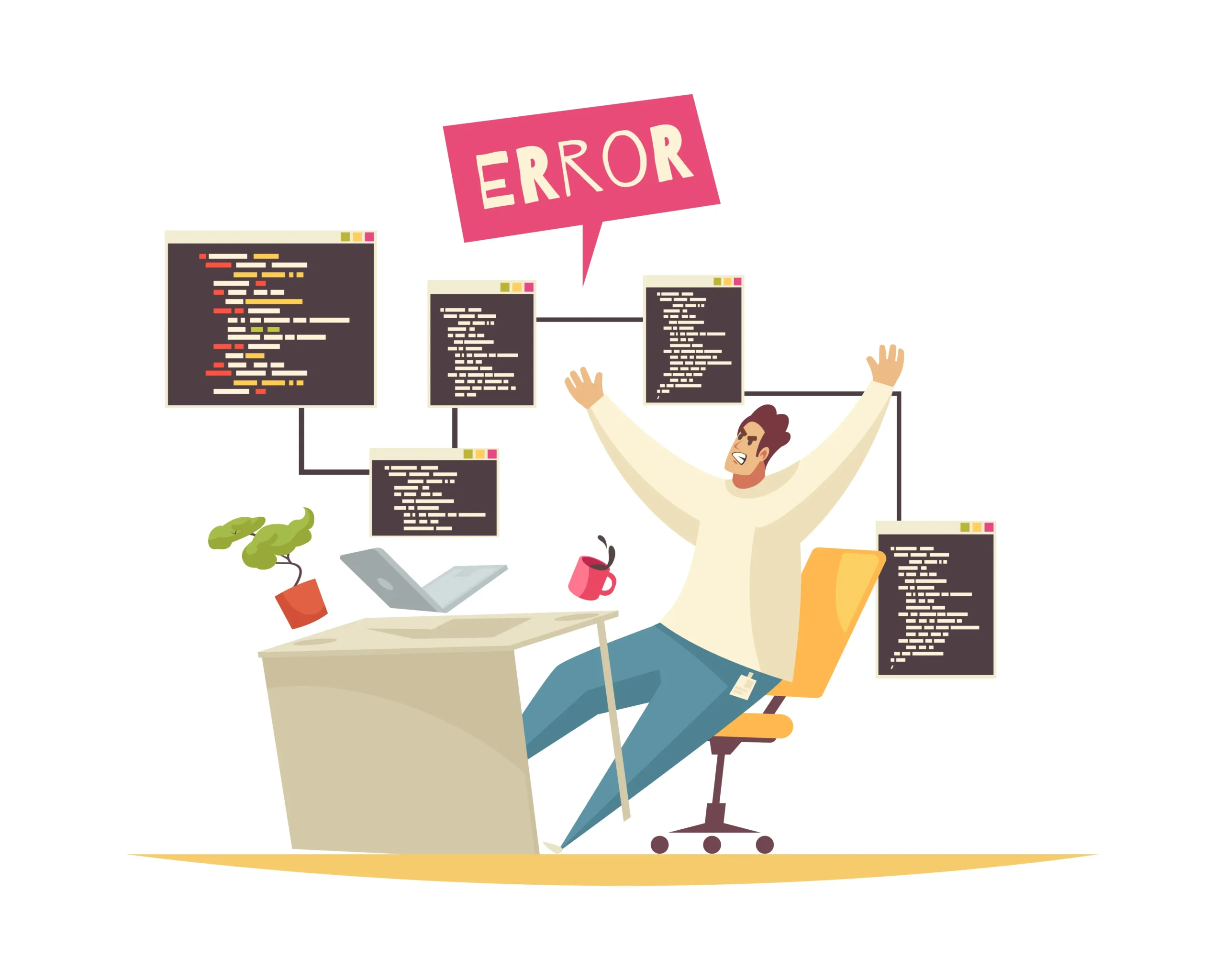
Does your brand look slightly different on your website than on your mobile app? Does your marketing team use one shade of blue, while your product team uses another? Does it take your developers weeks to build a new landing page that your designers thought was simple?
If you nodded yes, you’re experiencing “brand chaos.” It’s a common problem for growing businesses, and it’s a sign that your teams are wasting time and money reinventing the wheel.
The solution is a design system. This isn’t just a buzzword; it’s a strategic business tool that high-performing companies like Google, Shopify, and Atlassian use to build better products, faster.
But what is a design system, really? And what are the tangible benefits of a design system that justify the investment? This guide will break it all down.
Let’s start with a simple definition.
A design system is a single, centralized “source of truth” for your entire company. It’s a complete, living library of your brand’s rules, principles, and reusable components.
Think of it like a set of high-quality, branded LEGO blocks.
This is the most common point of confusion. Many businesses have a style guide, but it’s not the same thing.
The ability to build with the system, not just reference it, is one of the most significant benefits of a design system compared to a simple style guide.
For a business decision-maker, this is the most important section. A design system isn’t just a “design” project; it’s a “business” investment. The ROI comes from solving major operational problems. These are the main benefits of a design system.
This is the number one reason to invest. How much time does your team waste?
A design system eliminates this redundant work. By using a library of pre-built, pre-tested components, your team can build new pages and features at a record-breaking pace. What used to take weeks can now take days. This speed-to-market is a massive competitive advantage and a primary benefit of a design system.
Your brand is your most valuable asset. But every time a new page or product is built without a system, your brand “drifts.” Colors are a little off. Fonts are inconsistent. The user experience feels disjointed.
A design system acts as your brand’s guardian. It ensures that every button, every header, and every product card on every platform is 100% consistent with your brand guidelines. This consistency builds user trust and reinforces your brand identity at every touchpoint. This is a critical benefit of a design system for your marketing and branding teams.
One of the biggest bottlenecks in product development is the handoff between design and development. Designers create a pixel-perfect mockup, and developers struggle to translate it into functional code.
A design system bridges this gap. It creates a shared language.
This shared understanding removes friction, reduces miscommunication, and is a crucial, team-building benefit of a design system.
A consistent interface is an intuitive interface. When your users learn how a button or a menu works in one part of your app, they instantly know how it works in every part of your app. This predictability reduces cognitive load and makes your product feel effortless to use.
Furthermore, you can build accessibility (A11y) standards directly into your components. You can ensure every colour has the right contrast and every form element is screen-reader-friendly once. This is an often-overlooked benefit of a design system that protects you legally and opens your product to a wider audience.
A mature design system is more than just buttons. It’s a full ecosystem. Understanding the benefits of a design system also means understanding what it’s made of.
These companies manage massive scale, and they rely on the benefits of a design system every single day to stay aligned and move fast.
Realizing the benefits of a design system is a journey, not an overnight project. It starts small and grows.
The digital world is only getting more complex. Your customers are on more devices, and your competitors are moving faster than ever.
In 2025, you can’t afford the cost of “brand chaos.” You can’t afford to have your most expensive employees (your developers) wasting time building the same button for the tenth time.
A design system is no longer a “nice-to-have” for large enterprises. It’s a strategic necessity for any business that wants to scale. The benefits of a design system are clear: you build better products, you build them faster, and you do it with less friction.
Building a design system is a strategic investment in your company’s future. It’s the engine that will power your brand’s consistency and your team’s efficiency for years to come.
At Nextige, we are experts in creating and implementing design systems that are custom-built for your business goals. We help you stop the chaos and start scaling.
Shopify Developer & Founder – Nextige
Founder of Nextige It Solution LLP with over 10 years of experience in Shopify and eCommerce development. I have worked with global brands and growing startups. I help them launch and expand successful online stores. At Nextige, my goal is to provide Shopify solutions that focus on conversions and can easily grow with the business. I want to help businesses succeed in the digital marketplace.
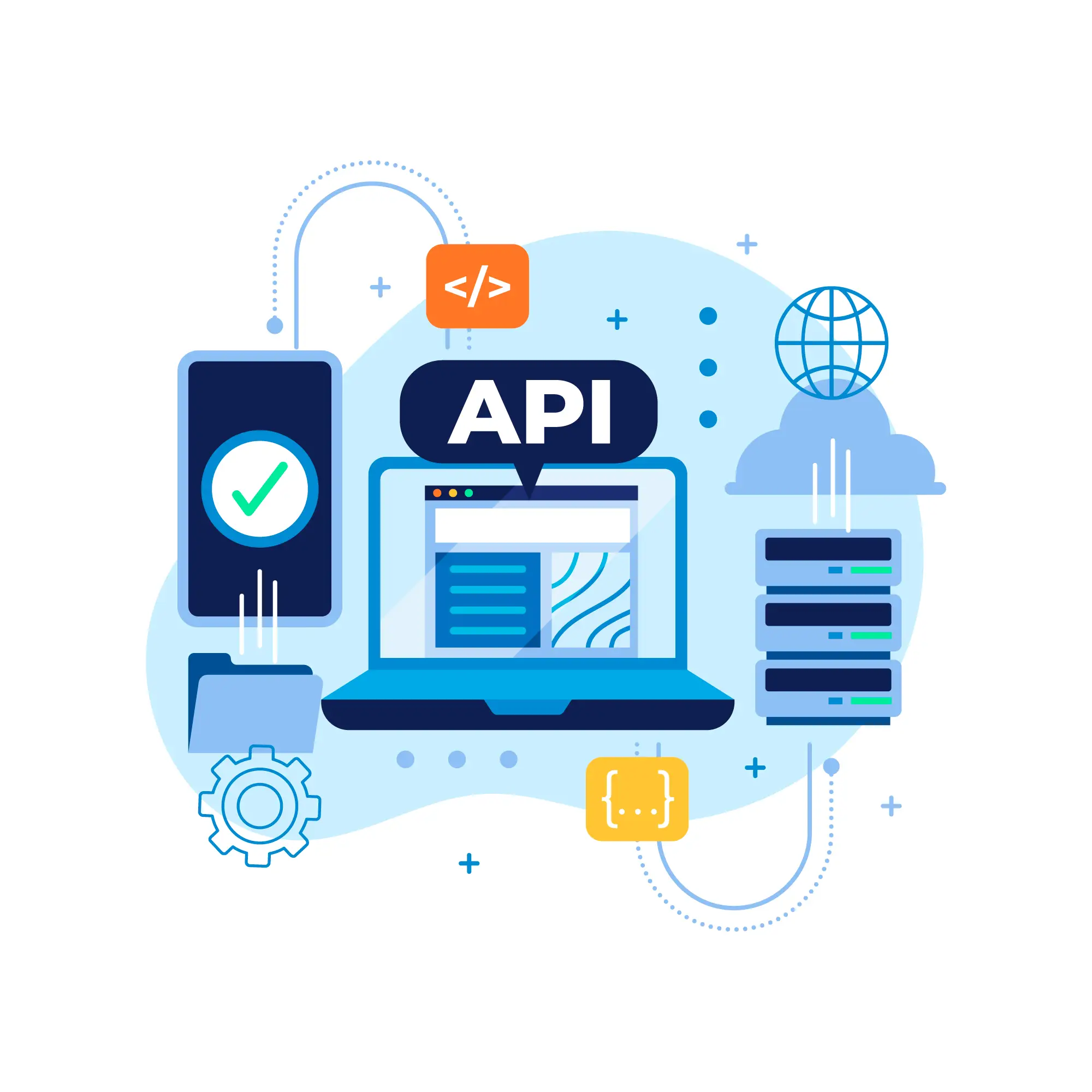
Think of an API as a waiter in a restaurant. You (the customer) don’t need to go to the kitchen (the other software’s system) to get your food. Instead, you give your order (a data request) to the waiter (the API), who takes it to the kitchen and brings back exactly what you asked for (the data). It’s a secure messenger that lets different software applications talk to each other.
Yes, when built correctly, security is a core part of API design. Modern APIs use strong security protocols like authentication (API keys) and encryption (SSL/TLS) to ensure that data is protected during transfer. This means only authorized applications can access the data, often more securely than manual data entry or email.
Pre-built tools are great for simple, common tasks (e.g., “when I get an email, add it to a spreadsheet”). A custom API integration (which Nextige builds) is for complex, high-volume, or business-critical processes that are unique to your company. It’s a more powerful, scalable, and tailored solution for your specific workflows.
This website uses cookies to improve your experience. We'll assume you're ok with this, but you can opt-out if you wish. Read More